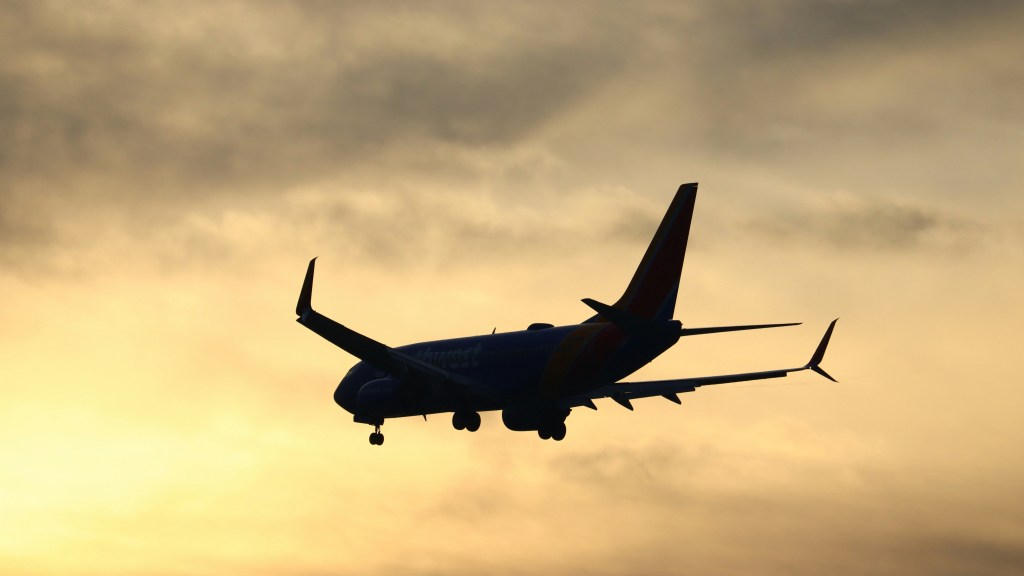
The recent shake-up at Boeing, with Ted Colbert stepping down as CEO of Boeing Defense, Space & Security, got me thinking about the broader issues at play here—particularly with AI safety. Colbert’s departure comes at a time when Boeing’s been under intense pressure, and not just financially. Boeing’s had a rough few years, especially after the 737 Max disaster, which highlighted some unsettling truths about what happens when safety takes a back seat to profit.
The 737 Max incident is one of those cautionary tales that sticks with you. Boeing rushed to compete with Airbus and, in doing so, introduced the MCAS system—a piece of automated software designed to make flying easier. The problem? It had serious flaws. The system misfired, pilots weren’t trained properly to manage it, and the tragic result was two crashes and 346 lives lost. What hit home in the aftermath was how Boeing prioritized speed and market competition over rigorous testing and transparency. It wasn’t just a tech failure; it was a breakdown of trust and responsibility.
So, why bring this up now? Because we’re seeing similar things in AI. AI systems today are handling some pretty high-stakes tasks—think medical diagnoses, loan approvals, even national defense. But, like Boeing’s automated MCAS system, a lot of these AI models are black boxes. We don’t always know how they reach their decisions, and even the developers sometimes can’t fully explain their behavior. When things go wrong, it’s not just a small glitch. In critical sectors, the risks are huge.
The Boeing crisis teaches us something essential: without strong, enforceable safety measures, high-stakes tech can quickly become a liability. Boeing was left to self-regulate, and we saw how that went. With AI, if we’re not careful, we could face similar disasters. We can’t afford to let companies call all the shots on AI safety. Just as Boeing’s lack of oversight had tragic consequences, the same lack of accountability in AI could have far-reaching effects on our lives.
So, here we are, watching another executive step down at Boeing, a company that’s still struggling with the aftermath of prioritizing profit over safety. As AI continues to grow in influence and complexity, we have to remember this lesson. Strong safety standards aren’t just a “nice-to-have”—they’re essential if we want AI to truly benefit society. If we don’t learn from Boeing’s mistakes, we risk creating an AI-driven world with similar, if not even bigger, consequences.

 Home
Home 
Leave a comment